Croatia Rowing Experience
Masters Experience
The Experience
Arrive. Breathe. Let Croatia Begin.
Your experience starts before the first stroke. Split welcomes you the way it has welcomed travellers for two thousand years — through the stone archways of Diocletian's Palace, past cafés that spill out onto Roman foundations, into an old town that has never needed to try very hard. Your first evening belongs entirely to the city. Dinner at a konoba where the menu changes with whatever came off the boats that morning. A glass of Plavac Mali from the Pelješac vineyards on a terrace above the harbor. The kind of night that makes the jet lag irrelevant.
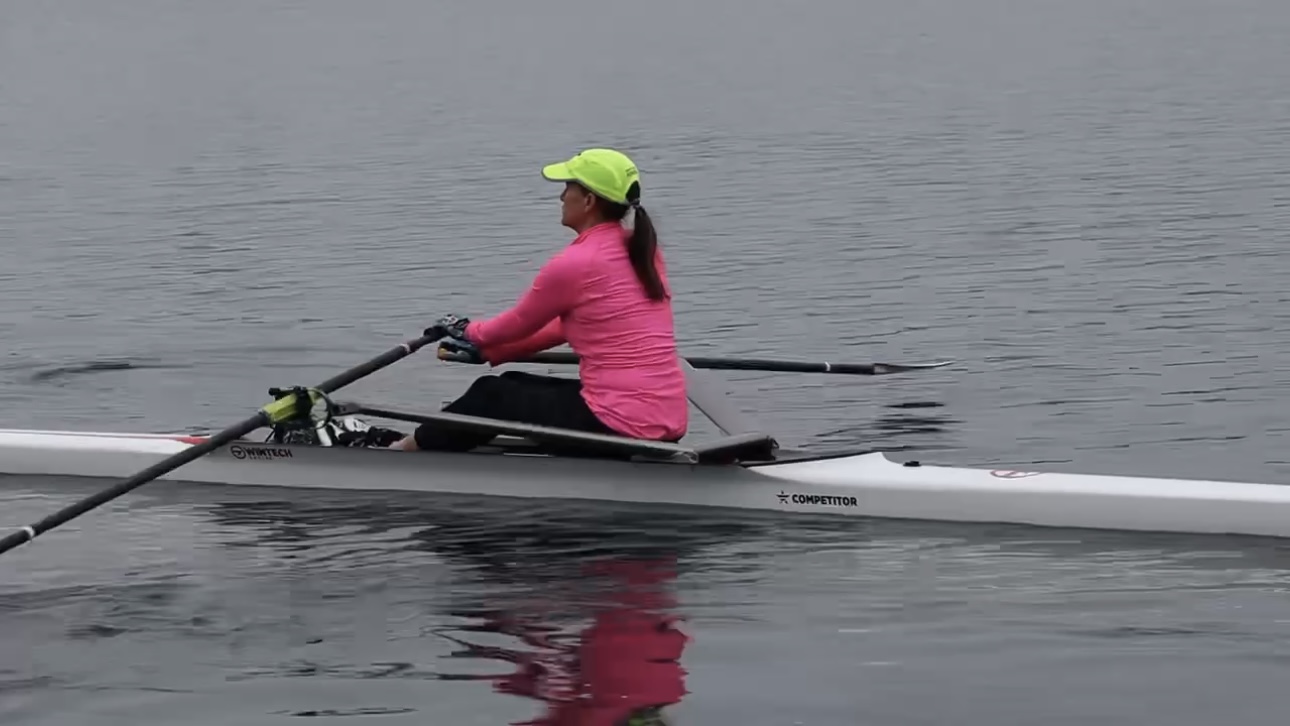
The next morning, the water is waiting. HVK Gusar — one of Croatia's most storied rowing clubs, set directly on Split's harbor — will be your first home on the water. The conditions here are extraordinary: protected bays for technical work, open Adriatic channels stretching out toward the islands when you want them. You sleep that night in a boutique hotel inside the Palace walls — stone floors, harbor views, the kind of room that makes you realize most hotel rooms are not actually trying.
Into the Islands
The afternoon ferry to Hvar takes forty minutes and deposits you in another world. Croatia's most celebrated island wears its glamour lightly — lavender fields above the town, a fortress that has watched over the harbor since the thirteenth century, restaurants that see no reason to rush anyone. You have the evening entirely free. Walk up to the fortress at dusk. Or don't. The harbor at Hvar after sunset requires nothing of you except presence. Your hotel sits above the old harbor — close enough that you can hear the water from the terrace.
The next morning rows from VK Jelsa on the calm water of the Hvar channel, the Pakleni Islands catching the early light off to the south. This is the row you will describe to people when you get home — not because of the distance or the splits, but because of what surrounded you when you were doing it.
This is just the beginning. Your version is waiting.
Request Information →The Fjord at the Edge of the World
Lim Bay in Istria does not look real. A protected twelve-kilometre channel carved into the limestone, steep forested cliffs rising on both sides, the water below shifting from emerald to deep cobalt depending on the light and the hour. There is no boat traffic. There is almost no sound except the water. European rowing has no more dramatic venue.
After the morning row, the afternoon belongs to Istria. In the forests above Motovun — truffle country, dense and unhurried — a local hunter and his dog will cover ground in twenty minutes that you would need an hour to navigate on your own. Lunch follows at the Zigante estate in Livade, where the menu is built around what came out of the ground that morning. By the time you reach the oyster platforms anchored at the mouth of the bay — pulling mussels from the water and eating them while your feet are essentially in the Adriatic — you will understand why people who come to Istria once tend to come back.
The Last Morning
Dubrovnik deserves a morning on the water before the day-trippers arrive. VK Neptun rows beneath the city walls — the UNESCO World Heritage walls, rising straight from the Adriatic, lit gold by early light. No photograph does it justice. You have to be in the boat, at that hour, to understand what this place actually is.
The afternoon is yours. Walk the walls if you haven't. Sit in the old town and resist nothing. Your RowCroatia host will collect you for a final dinner — somewhere the locals eat, not somewhere they send visitors, in a stone dining room above the water that has no business being as good as it is — and then Croatia will let you go. Until you come back.
What's Included
- ✓Daily rowing sessions at iconic Croatian venues
- ✓Premium hotel accommodation (4–5 star)
- ✓All breakfasts and welcome/farewell dinners
- ✓Airport transfers and local ground transport
- ✓Guided cultural excursions
- ✓24/7 on-trip support
Available Dates
Ready to Row Croatia?
2027 dates are now open. Spaces are limited to 16 rowers per departure.